
As legal sports betting has grown across the U.S., federal authorities have increasingly turned their attention to the risks faced by everyday bettors — especially when it comes to unregulated or offshore sportsbooks. In a recent advisory, the Internal Revenue Service cautioned sports enthusiasts to prefer licensed, regulated sportsbooks over offshore or unregulated platforms, citing heightened risks of fraud, while also reminding bettors of their obligation to pay tax on winings .
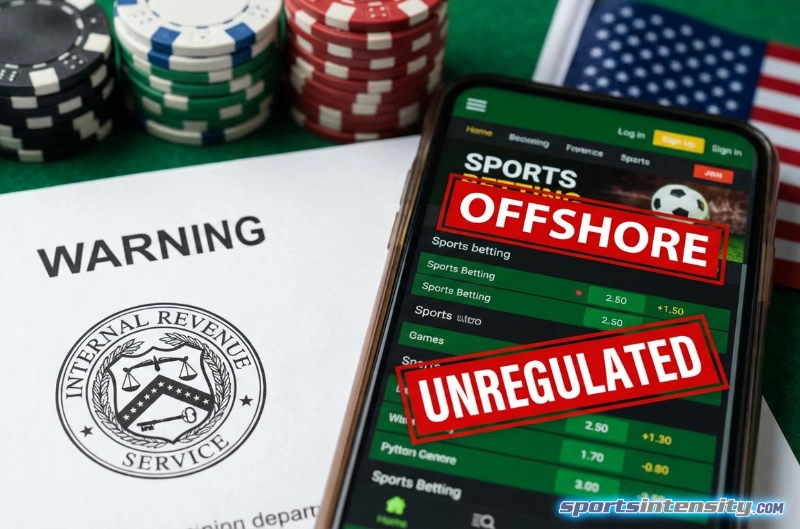
The warning comes at a time when millions of Americans are placing wagers via apps and websites, a quarter of those placed at offshore sportsbooks (down from 36% before sports betting was legalized in the US). According to IRS officials, offshore sites often fail to implement robust protections, leaving bettors vulnerable to financial scams, compromised personal data, and, in extreme cases, identity theft, though it’s hard not to suspect that self-interest may be the primary motivation behind this warning.
The IRS advises that fraudulent sportsbooks can “expose your data to criminals” and highlighted the vulnerabilities associated with crypto-focused platforms that sometimes attract anonymous users by avoiding strict KYC checks.
His message wasn’t just about fraud; it also reinforced the legal responsibilities of bettors. Betting winnings — whether from horse races, football parlays, or legal sportsbooks — are taxable income under U.S. tax law. Choosing an offshore platform doesn’t negate your obligation to report earnings, and because offshore books don’t file routine tax forms like their regulated counterparts, bettors risk noncompliance and potential civil or criminal penalties if they attempt to obscure income or evade tax reporting.
This IRS guidance underscores a broader shift in how federal agencies are thinking about sports betting. Years ago, betting might have been an underground activity. Now it’s woven into mainstream American culture and tax policy. The industry’s explosion has prompted regulators to not only ensure bettors are protected but also that they fulfill their legal obligations — and that they avoid platforms without the guardrails of domestic regulation.
For recreational bettors, the immediate takeaway is the same one we’ve been touting since 2005: offshore sportsbooks pose risks beyond losing a bet, which is why it’s important to place your bets only with the tested and trusted best offshore sportsbooks recommended by veteran sportsbook reviews sites like Sportsintensity.